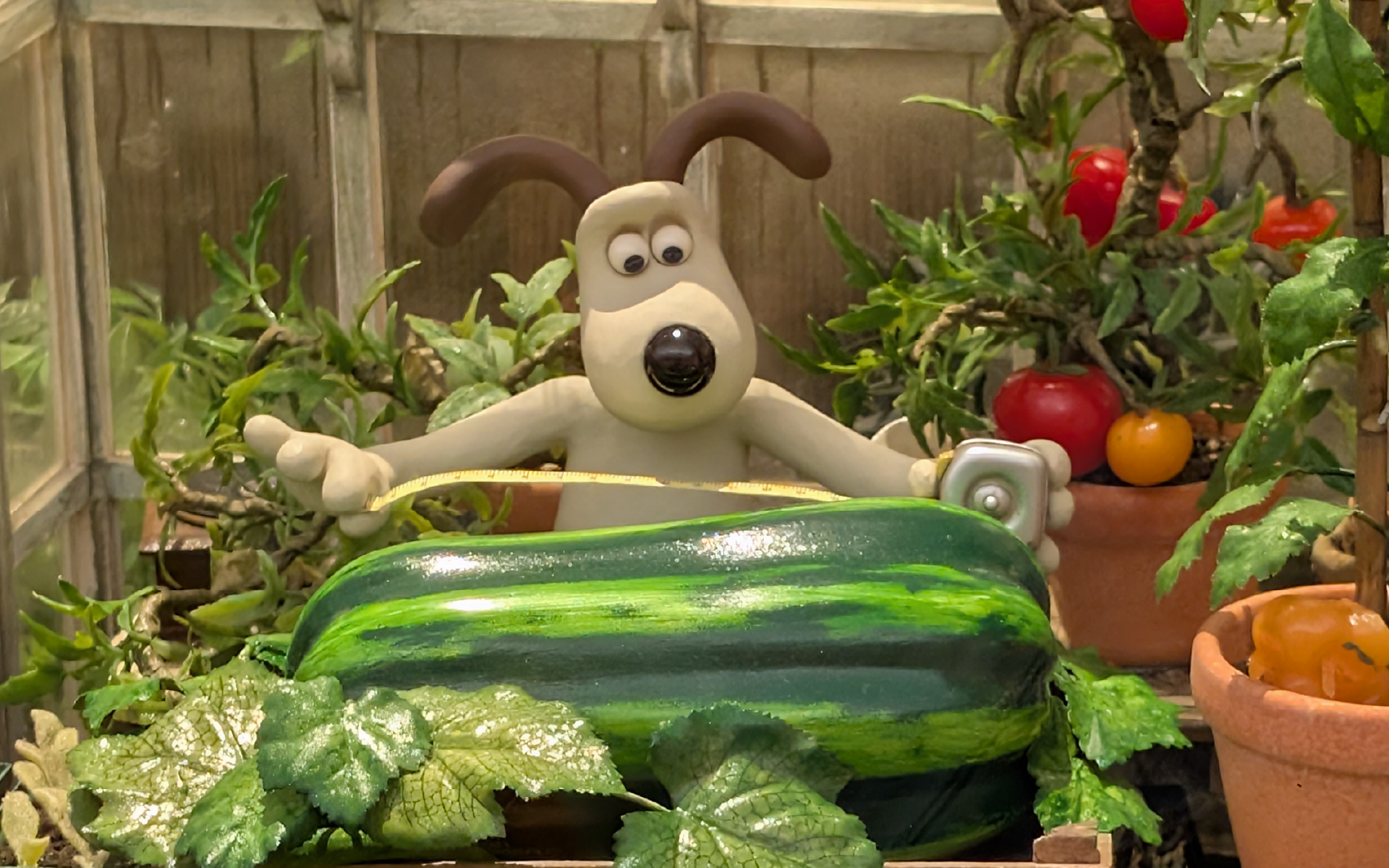
There is something surreal about peering into Wallace and Gromit’s actual front room.
On a recent team offsite, we gathered around as star-struck fans, admiring the wallpaper, inventions and familiar armchairs – and feeling genuinely awed to meet two childhood icons in the flesh, or in the modelling clay, as it were.
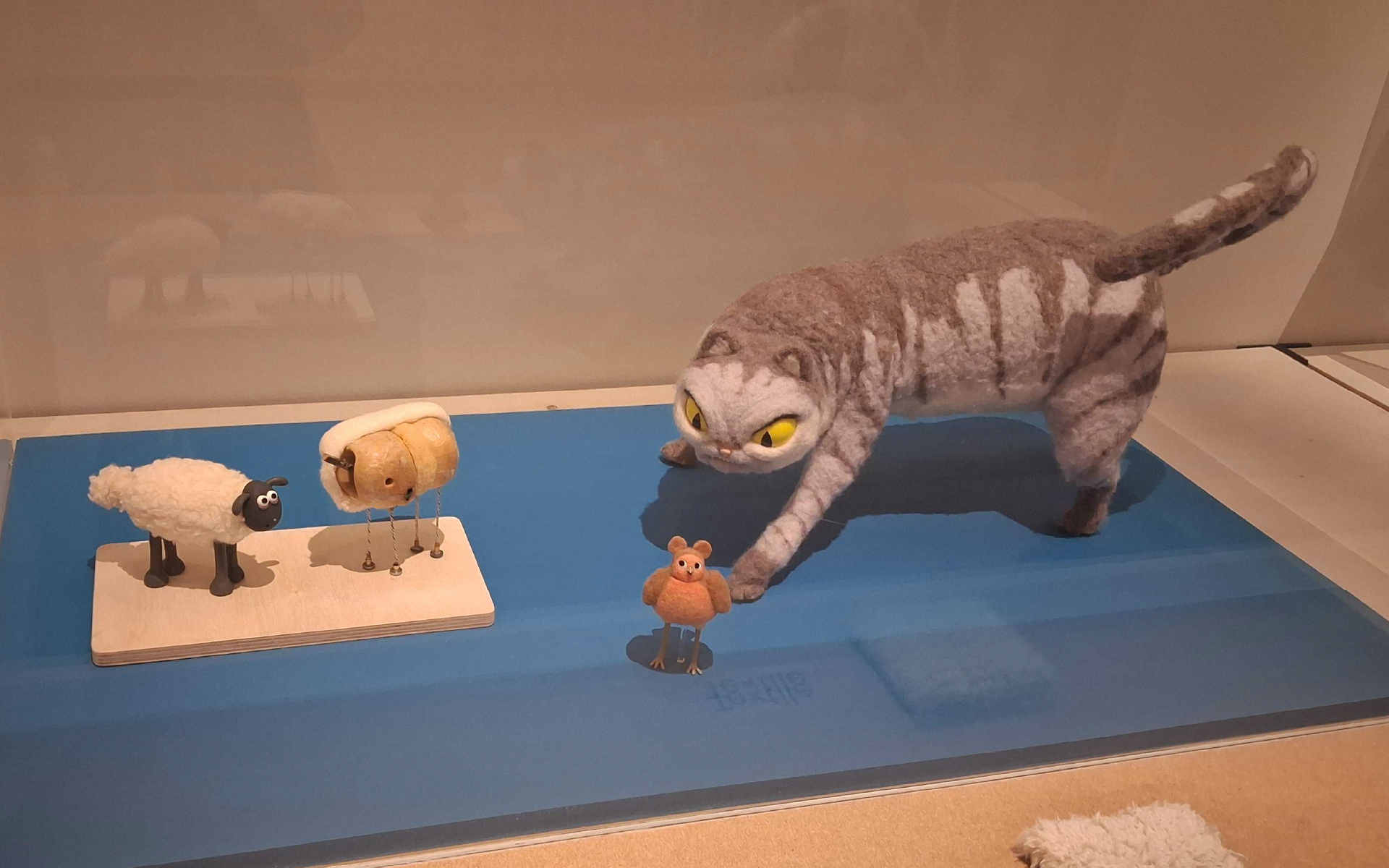
But Inside Aardman at London’s Young V&A, celebrating 50 years of the stop-motion studio, is much more than a nostalgia trip. Featuring more than 150 sketches, models, storyboards, props and sets, the exhibition reveals the painstaking creative process behind Aardman’s much-loved films. It also cemented a few things for us about creativity: it needs the right conditions to thrive.
Here are just a few of our takeaways.
Ideas are king, Gromit!
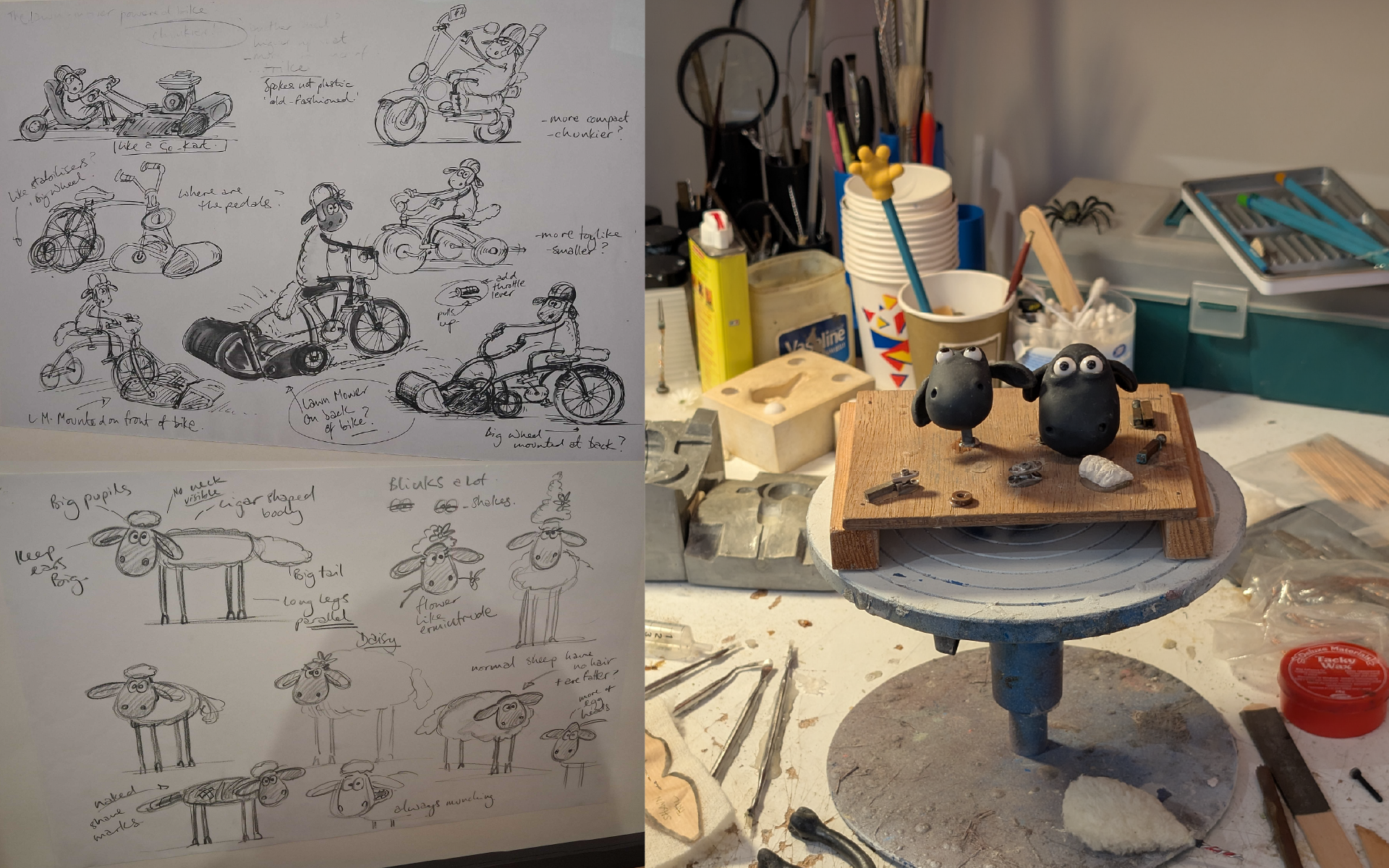
Nick Park, the multi-Oscar-winning animator, began sketching the characters who became Wallace and Gromit while still a student. Wallace originally had a moustache and a flat cap; Gromit started life as a cat. Both evolved through years of drawing, writing and observation.
Park thinks visually, filling sketchbooks with characters, contraptions and fragments of stories. Ideas discarded from one film are often saved for another. The lesson? Don’t wait for one enormous, fully formed idea. Pay attention to the world, capture what interests you and build a store of creative possibilities. You never know when a doodle might become an icon.
Good work takes time
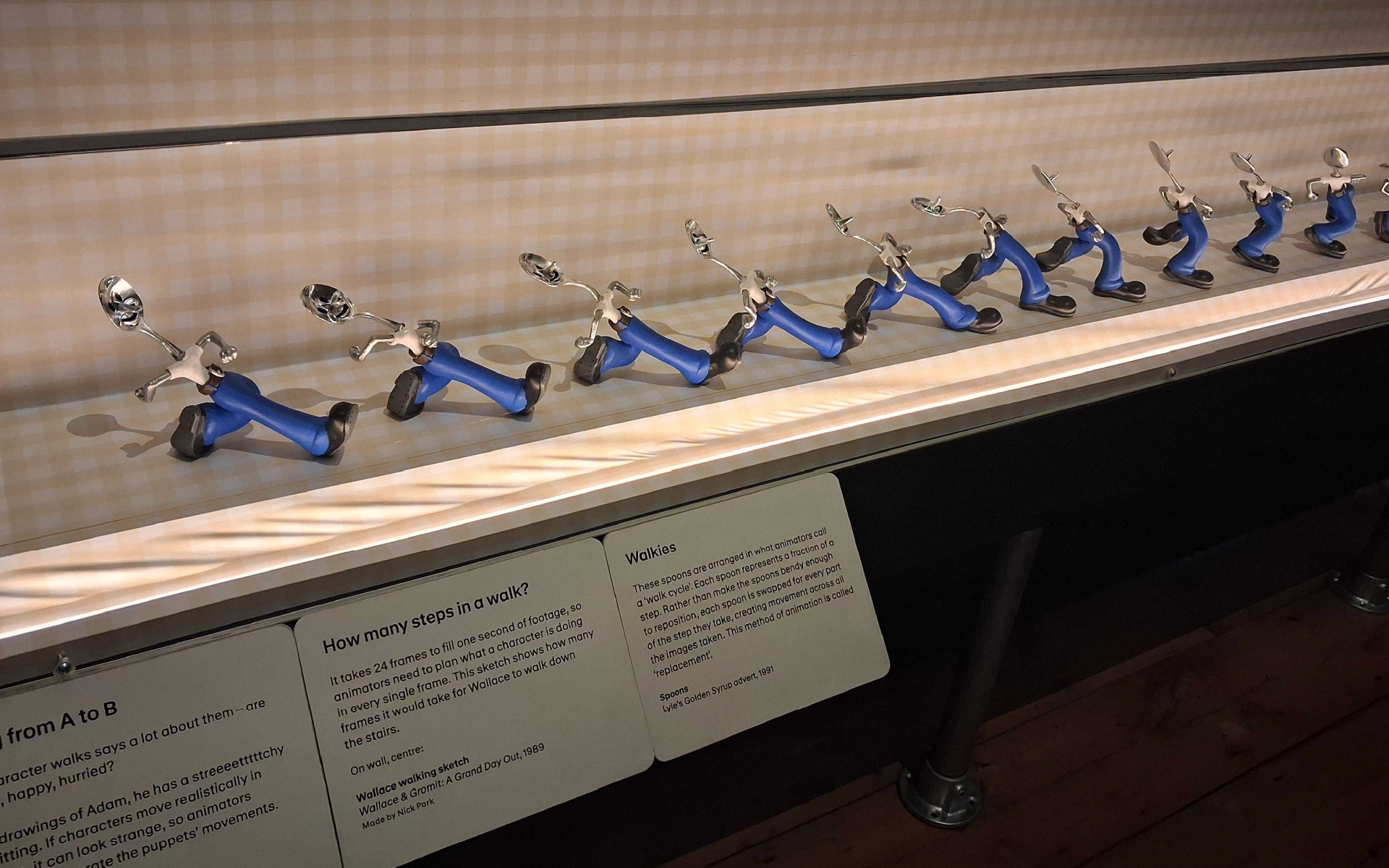
An Aardman animator typically produces just six seconds of finished footage in a week. Every tiny gesture, raised eyebrow and Plasticine paw must be adjusted frame by frame.
In an industry obsessed with speed, it is a useful reminder that some things cannot – and should not – be rushed. The apparent effortlessness of great creative work is often the product of extraordinary patience. And while it’s a deliberately slow process, their techniques are constantly moving with the times to ensure they’re staying at the cutting edge of creativity.
Creativity needs a framework
Aardman’s final physical scheduling board is one of the exhibition’s less glamorous but most revealing objects. A giant corkboard with colourful Post-it notes, and rubber bands looped between pins once tracked who was animating each shot, when. Today, that sprawling pinboard has been replaced by a digital planner.
Planning does not constrain creativity. It gives hundreds of moving parts – sometimes literally – the structure they need to come together.
Technology should stretch the imagination
In the age of AI automation, Wallace’s famous robots might seem much less fantastical but he’s reassuringly still made of clay. Some of Aardman’s methods have moved on since Morph first chirped in 1976.
The exhibition showed how teams now use technologies like virtual reality to design and explore life-sized digital sets and test ideas before they start building.
The point is not to replace human craft. It is to use technology where it can help people experiment, collaborate and solve problems sooner.
Great ideas are built by teams
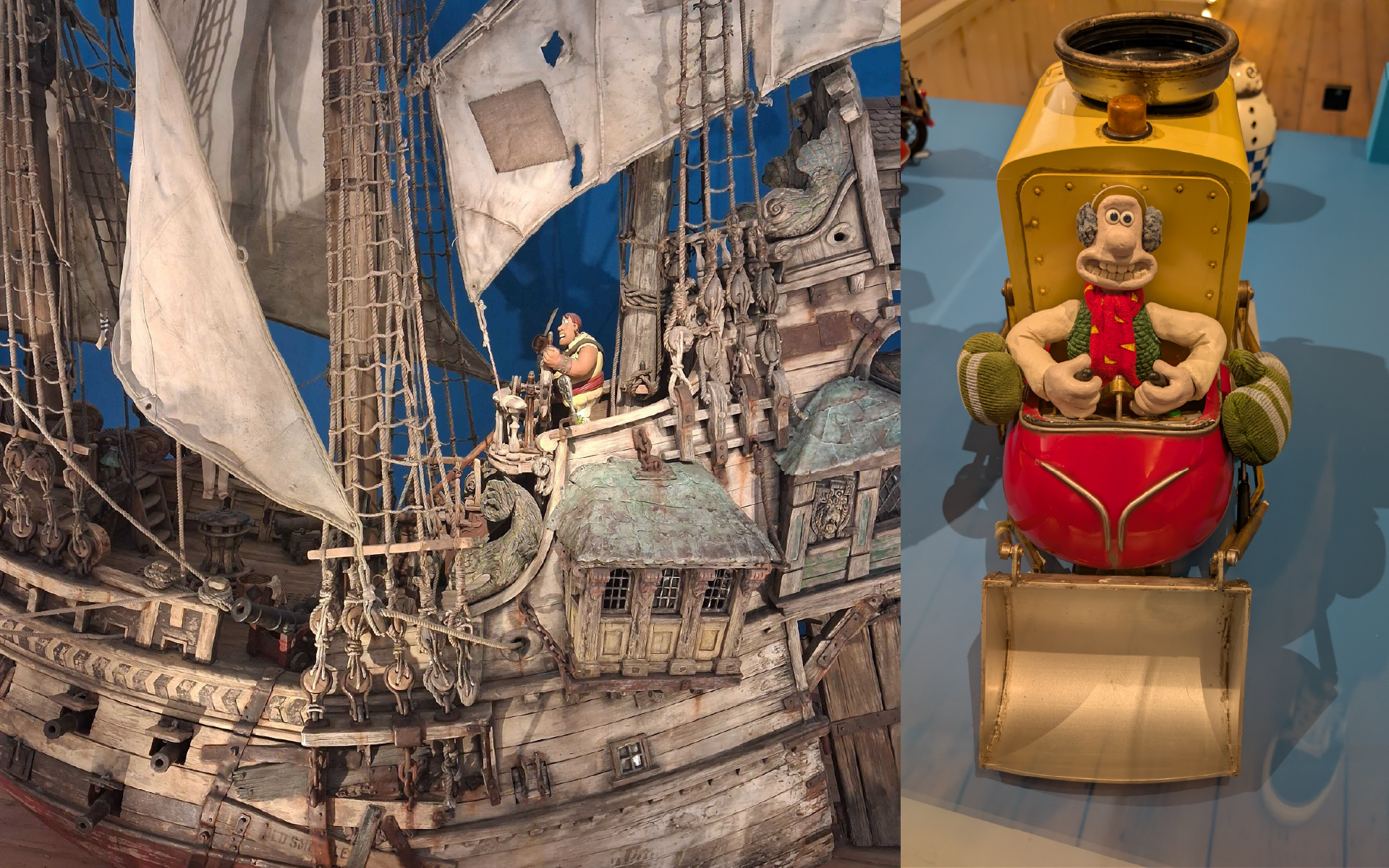
From writers and storyboard artists to puppet makers, set builders, animators, lighting crews, camera operators, editors and VFX specialists, every Aardman production depends on an extraordinary range of skills.
The idea may begin in one person’s notebook, but it takes many minds – and hands – to bring it to life.
Don’t wait for perfect
Perhaps the most liberating lesson is that ideas do not have to arrive polished. Early Wallace & Gromit looked very different from the pair we know today; repeated sketching and testing allowed their personalities to emerge.
So make the rough model. Write the imperfect first draft. Put something on the page and keep shaping it. Imperfection can be a stepping stone – or, as Aardman’s beautifully thumbprinted characters prove, part of the charm.
What struck us all about Aardman was how to create the conditions that allow good ideas to flourish: time, planning, experimentation, technology and – above all – people.
In a world that increasingly rewards speed and polish, there’s something refreshing about a creative process that leaves room for tinkering, mistakes and a bit of mess. Perhaps that’s the real lesson from Aardman: great work doesn’t happen by magic. It happens when we give people the time, the tools and the freedom to make it.

